
Air Drying vs Blow Drying: Which Is Actually Better for Your Hair?
You've probably heard it a thousand times: "Just let your hair air dry. It's so much healthier." But is that actually true? Like most things in hair care, the answer is more nuanced than a simple yes or no. The best drying method comes down to your hair type, your styling goals, and how you're using your tools. Here's what the science actually says.
Understanding How Heat Affects Your Hair
To make sense of this debate, it helps to know what's happening to your hair as it dries. Every strand is built from a protein called keratin, wrapped in a protective outer layer called the cuticle. Think of the cuticle like overlapping shingles on a roof. When it's smooth and flat, your hair looks shiny and feels strong. When it's lifted or damaged, things go sideways fast.
When hair is wet, the cuticle swells and opens slightly, leaving the strand more vulnerable to breakage. This is why how you get from wet to dry matters more than most people realize.

The Case for Air Drying
Air drying is widely considered the gentler option, and there's real truth to that. Skip the heat entirely, and you eliminate the risk of thermal damage, which breaks down keratin over time and leads to dryness, brittleness, and split ends.
Air drying tends to work best for:
- Curly and coily hair types that thrive with minimal manipulation
- Fine or fragile hair that's especially prone to heat damage
- Low-porosity hair that takes a long time to absorb moisture and can become over-processed with regular heat use
That said, air drying isn't without its downsides. Keeping hair wet for long stretches can trigger a condition called hygral fatigue, where the hair shaft repeatedly swells and contracts, gradually weakening the strand. If your hair feels mushy or overly stretchy when wet, or breaks more than it should, hygral fatigue could be the culprit.

The Case for Blow Drying (When Done Right)
Here's where things get interesting. For many hair types, especially straight, wavy, or high-porosity hair, blow drying with the right tools and technique can actually be better for your hair than letting it air dry.
When heat is applied correctly, it seals the cuticle as the strand dries. A closed cuticle means:
- More shine, since light bounces evenly off a smooth surface
- Less frizz, because a sealed cuticle is harder for environmental moisture to penetrate
- Better manageability and a cleaner, more polished finish
A 2011 study in the Annals of Dermatology found that while direct high heat caused more surface damage, using a hair dryer at a moderate temperature held about 6 inches away actually produced less overall damage than air drying. The deciding factors? Temperature, distance, and keeping the dryer moving. Technique matters just as much as the tool.
Which Hair Types Benefit Most from Blow Drying?
High-Porosity Hair
High-porosity hair has gaps in the cuticle layer, so it soaks up moisture fast but loses it just as quickly. Blow drying helps seal those gaps and lock in hydration, leaving hair smoother, shinier, and longer-lasting in style.
Straight and Wavy Hair
These hair types often air dry with uneven texture or unwanted volume. Blow drying with a brush lets you control the shape as it dries, smoothing the cuticle and directing the hair for a sleek, polished look.
Thick or Coarse Hair
Thick hair can take hours to air dry, keeping it in that fragile wet state for way too long. Blow drying cuts that window down significantly, reducing the risk of hygral fatigue and giving you a more consistent result every time.

How to Blow Dry Without Damaging Your Hair
1. Always Start with a Heat Protectant
Before any heat styling, apply a heat protectant to create a barrier between your hair and the heat source. It reduces moisture loss and shields the surface from damage.
2. Pick the Right Tool for the Job
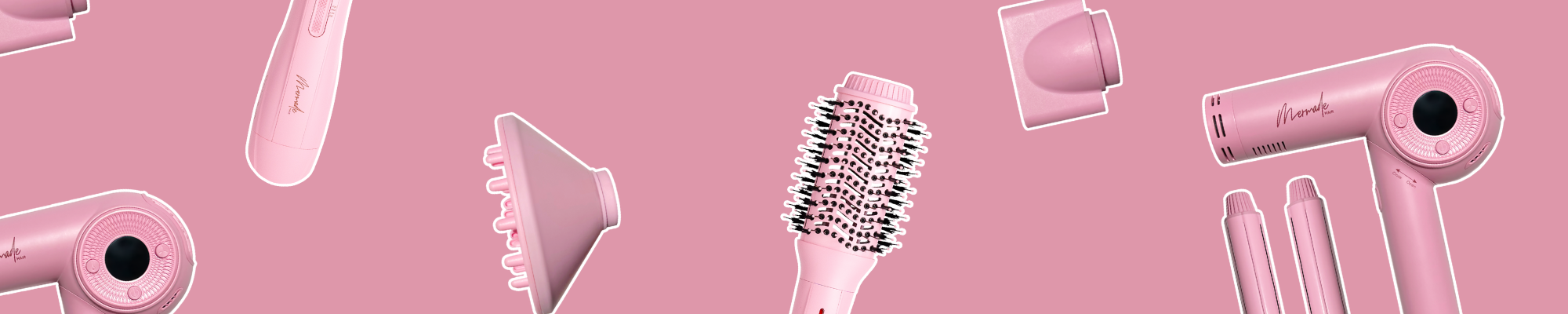
The M Ionic Hair Dryer uses ionic technology to break down water molecules faster, shortening drying time and limiting heat exposure. Ionic airflow also neutralizes static and seals the cuticle for a smoother, shinier result.
If you want to dry and style in a single step, the Blow Dry Brush pairs dryer power with a round brush barrel, smoothing the cuticle section by section for a salon-quality blowout at home.
3. Keep the Heat Moving
Don't hold heat in one spot. Keep the dryer or brush moving through your hair continuously to spread heat evenly and avoid hot spots that lead to breakage.
4. End with a Cool Shot
Once your hair is dry, hit the cool shot button to blast cool air over the finished style. This seals the cuticle, boosts shine, and helps your blowout hold longer.
5. Don't Start Soaking Wet
Use a microfiber towel to remove around 80% of moisture before you start blow drying. Beginning with dripping wet hair means more time under heat, which raises the risk of damage.

So, Which Method Actually Wins?
Honestly? It depends on your hair. Air drying is a great option for curly, coily, or fine hair that's especially sensitive to heat. But for straight, wavy, thick, or high-porosity hair, a controlled blow dry with the right tools and a heat protectant can actually deliver better results with less long-term damage than leaving your hair wet for hours.
The worst habit is also the most common: rough towel drying, then leaving hair to air dry while it's tangled and bunched up. If you're going to air dry, do it intentionally. If you're going to blow dry, use the right tools and technique.
Either way, the goal is the same: get your hair from wet to dry as efficiently and gently as possible, and love the result.