
High vs Low Porosity Hair: How to Identify Your Hair Type and How to Care for It
The secret your hair has been trying to tell you...
There is a conversation happening between you and your hair every single day, in the way it drinks up moisture or repels it, in the way it frizzes at the first hint of humidity or lies stubbornly flat no matter what you apply. And yet, most of us have never been formally introduced to the concept that explains it all: hair porosity.
Understanding your hair's porosity is, quite simply, the most transformative thing you can do for your hair care routine. It is the difference between products that work and products that sit. Between a blowout that lasts and one that collapses by noon. Consider this your definitive guide.

So, what is hair porosity?
Hair porosity refers to your hair's ability to absorb and retain moisture. It is determined by the structure of your hair's cuticle, the outermost layer of each strand, made up of overlapping scales not unlike roof tiles.
When those scales lie flat and tightly packed, moisture struggles to get in (and out). When they are raised or damaged, moisture floods in but escapes just as quickly. The result? Two very different hair experiences, requiring two very different approaches.
There are three porosity types: low, high, and medium (the sweet spot most of us aspire to). Today, we are focusing on the two extremes and how to work beautifully with both.

How to test your hair porosity at home
Before you overhaul your entire routine, take two minutes to identify where you sit.
1. The Float Test
Drop a clean, product-free strand of hair into a glass of water. Leave it for 2 to 4 minutes.
- Floats near the top → low porosity
- Sinks to the bottom → high porosity
- Hovers in the middle → medium porosity
2. The Texture Test
Take a single strand and slide your fingers from tip to root.
- Smooth with little resistance → low porosity (tightly closed cuticles)
- Bumpy or rough → high porosity (raised or uneven cuticles)
Low Porosity Hair: The Reluctant Absorber
Here are some signs you have low porosity hair:
- Products sit on top of your hair rather than absorbing
- Your hair takes a long time to get fully wet in the shower
- It also takes a long time to dry
- Build-up is a recurring issue despite regular washing
Low porosity hair has tightly closed cuticles that resist moisture entry. The challenge is not hydration itself, it is getting hydration in. Once moisture is locked inside, however, low porosity hair tends to retain it beautifully.

How to care for low porosity hair
1. Use heat to your advantage. Warmth gently lifts the cuticle, allowing moisture and product to penetrate. This is where your styling tools become genuine allies, not just aesthetic ones.
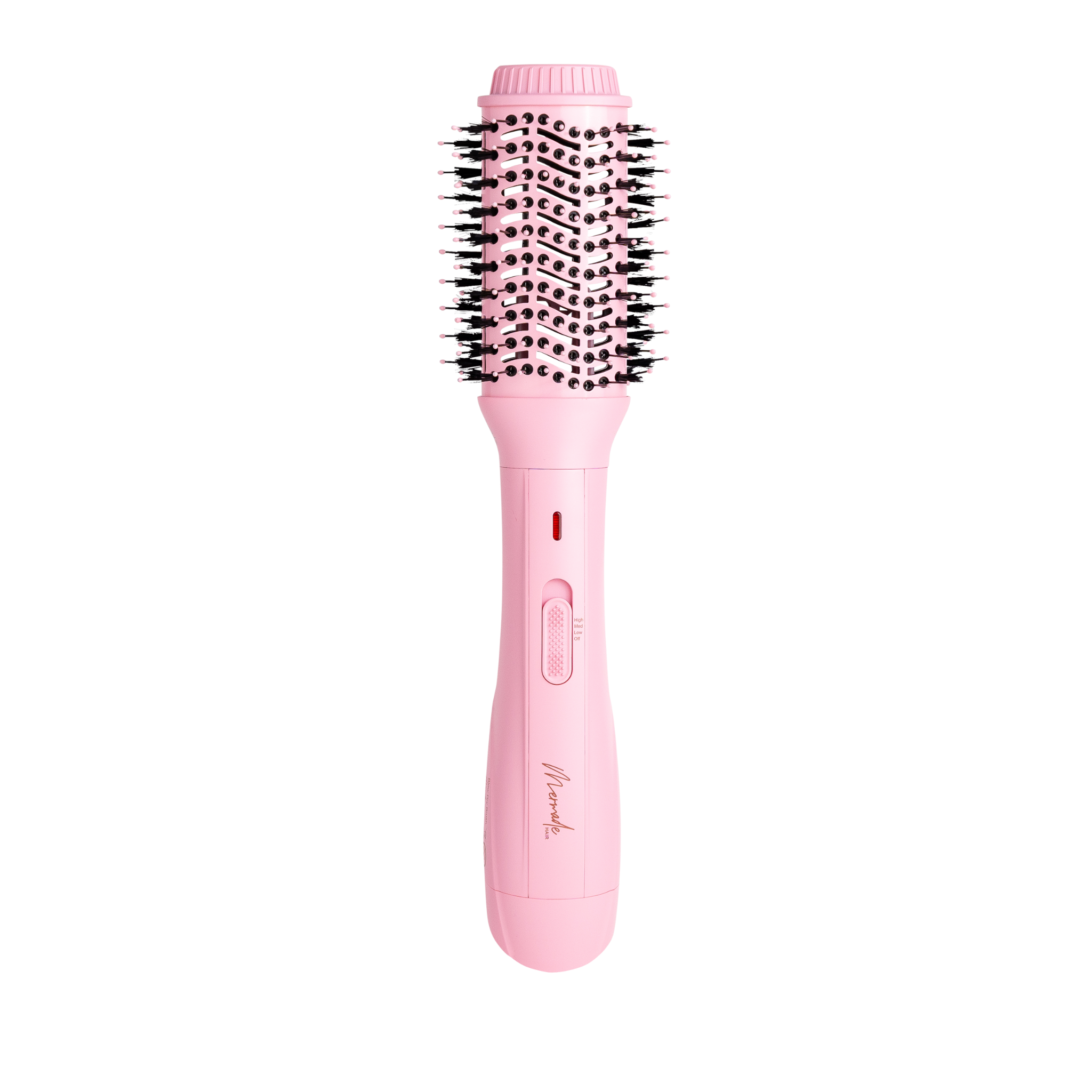
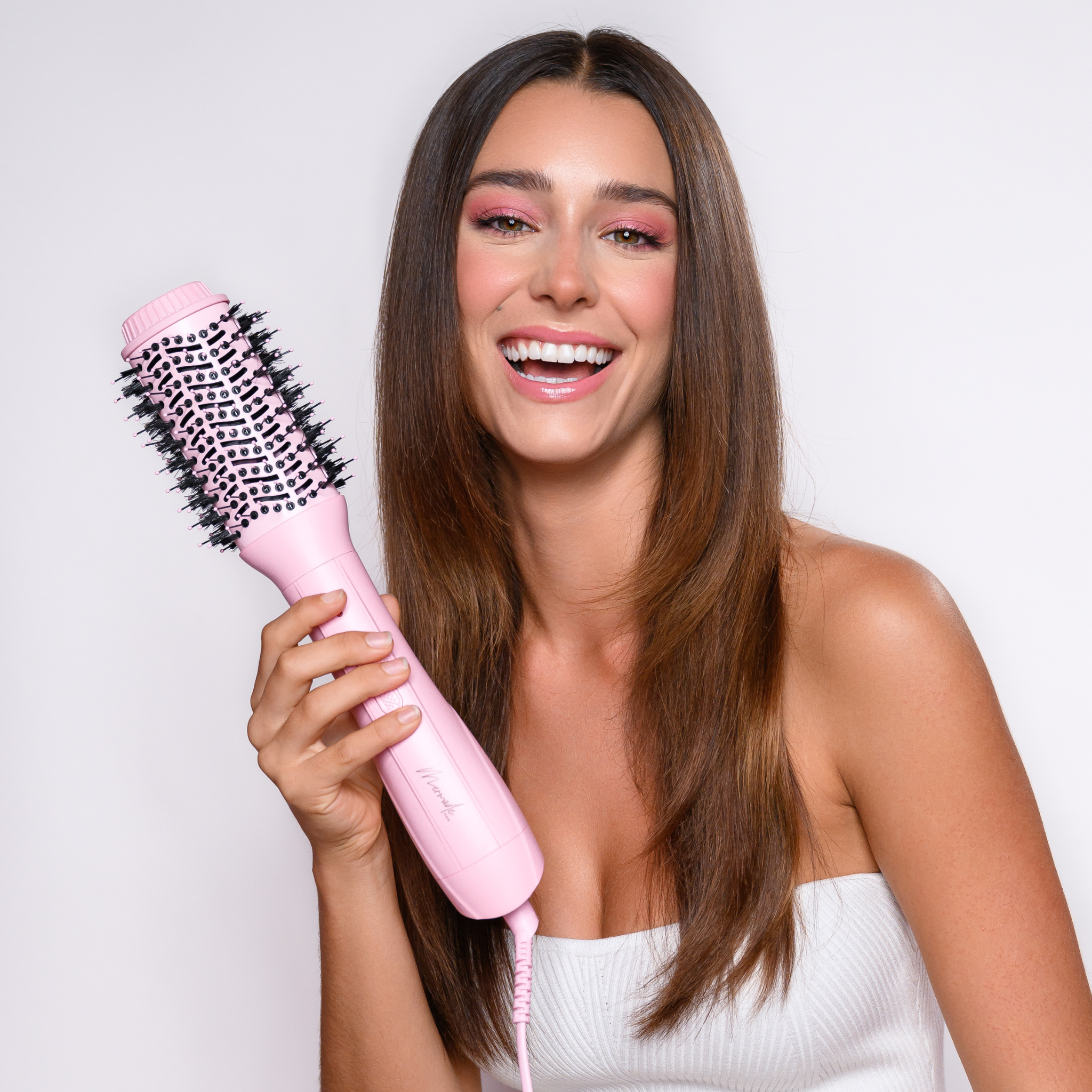
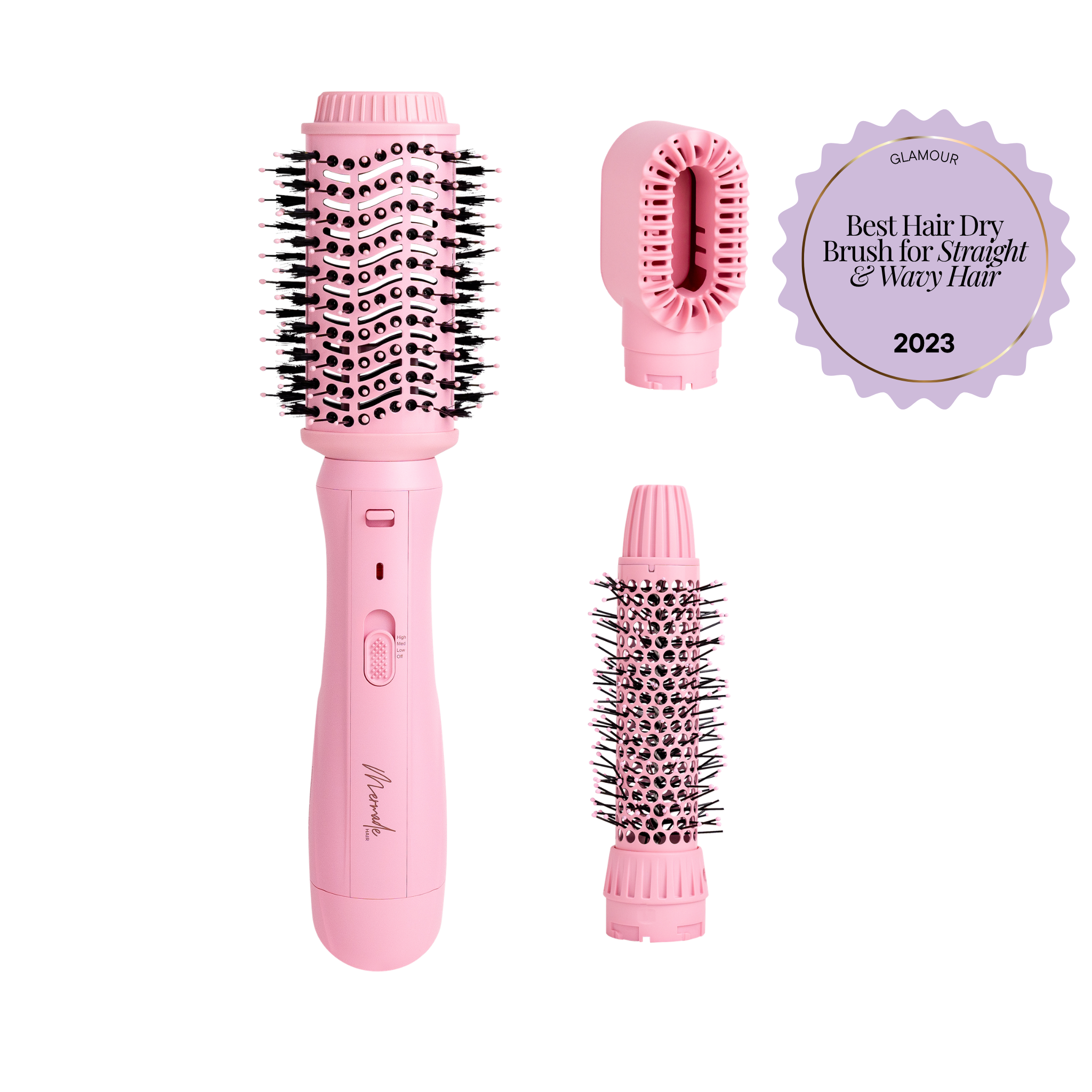
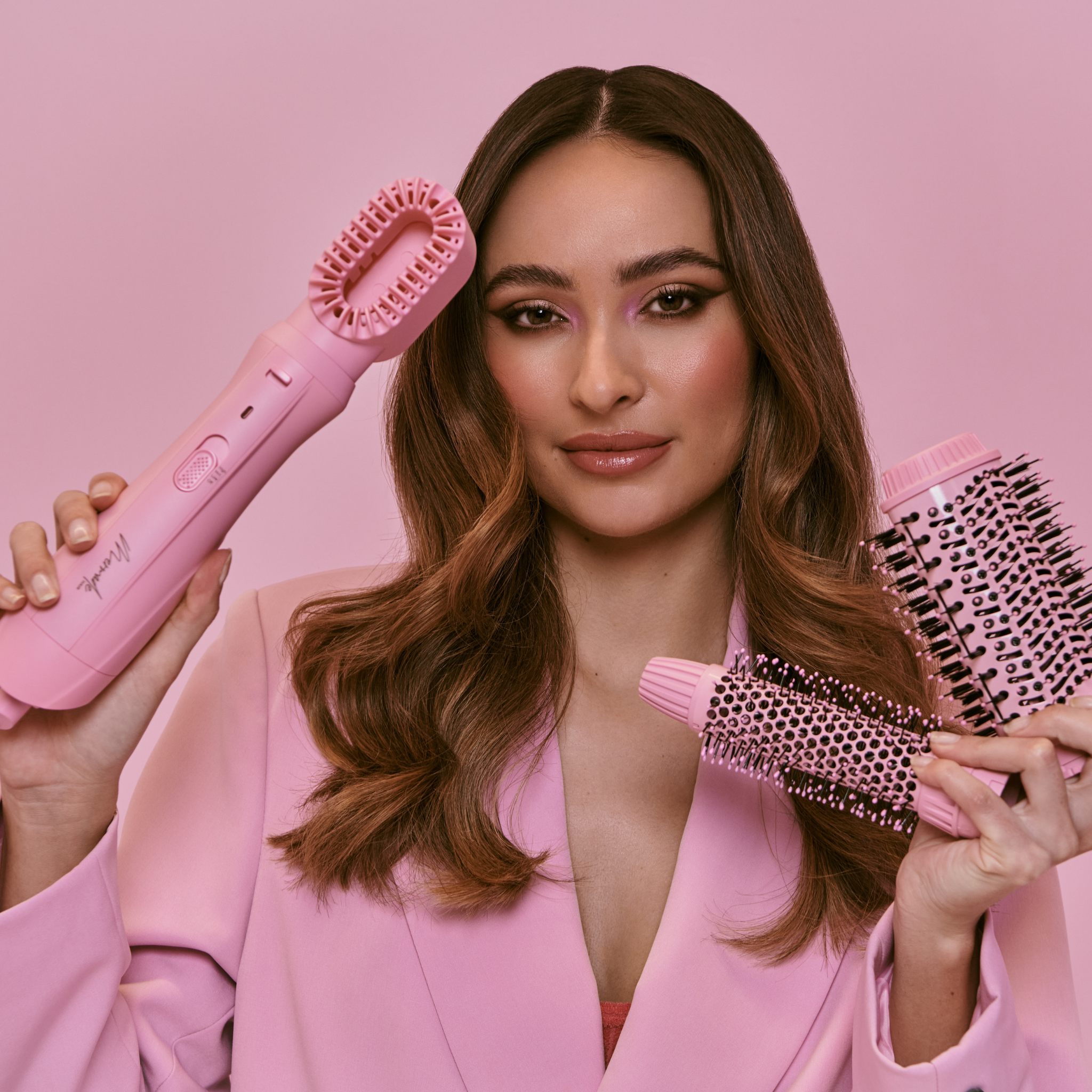
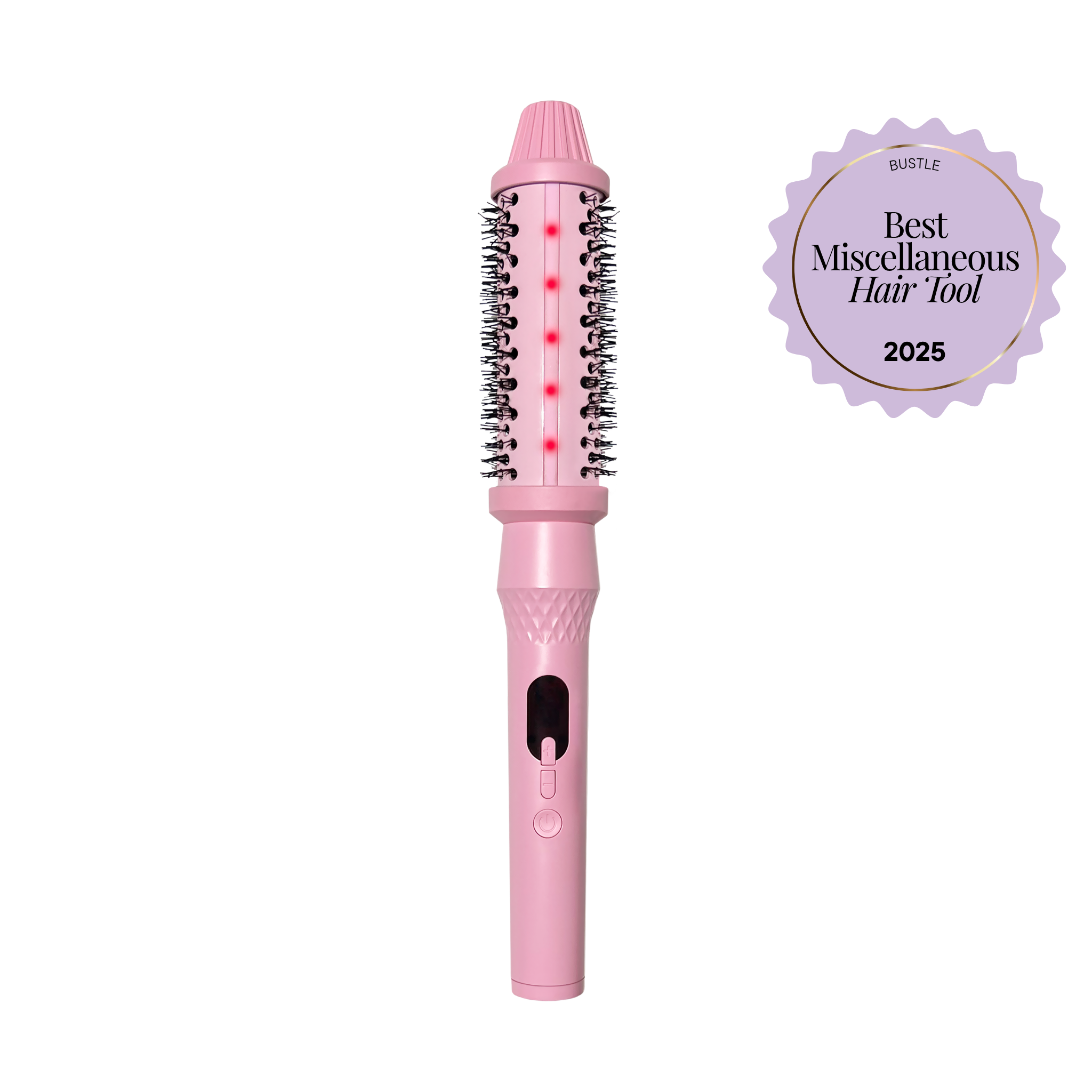
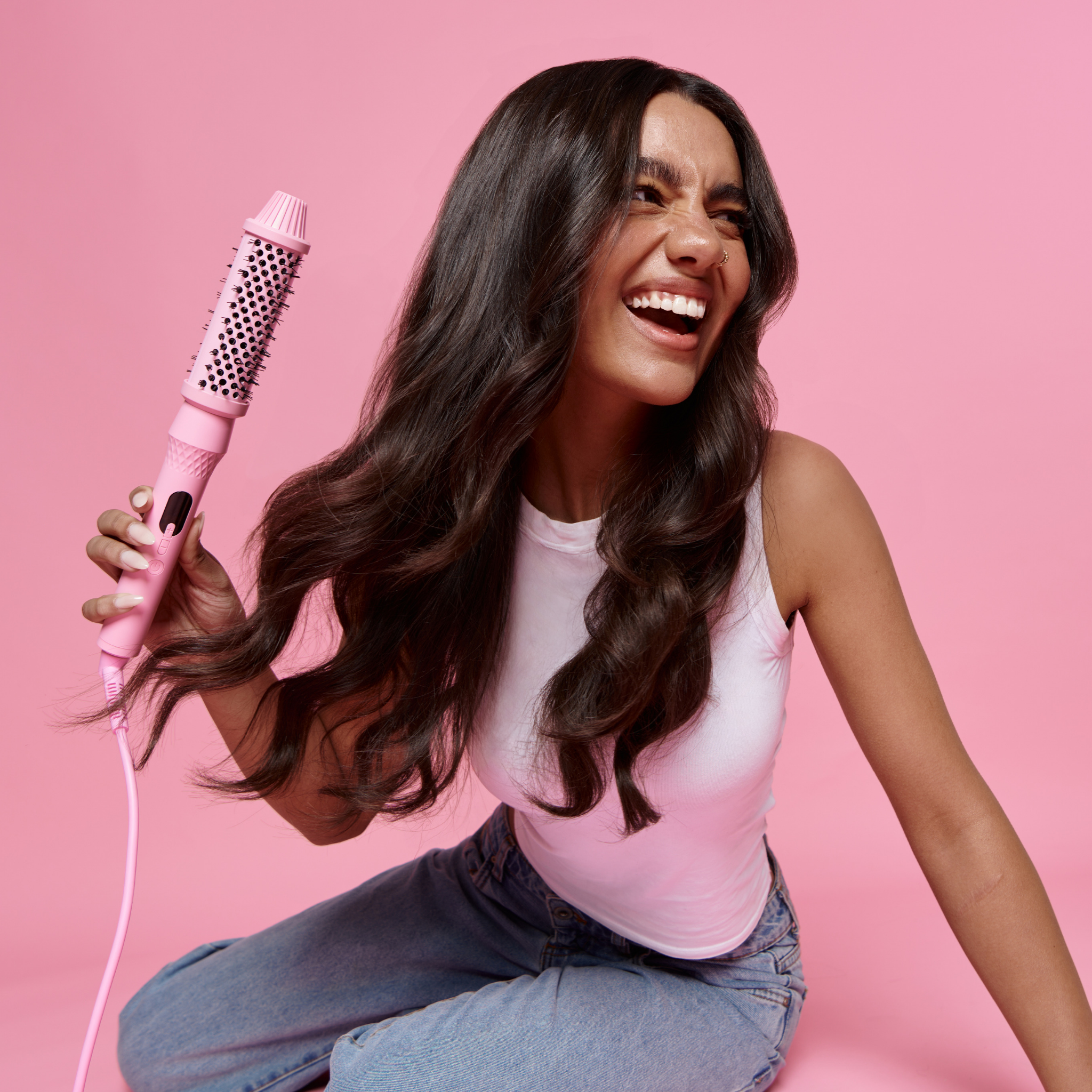
2. The Blow Dry Brush is particularly well-suited to low porosity hair. The combination of heat and airflow works to open the cuticle as you style, meaning your hair is simultaneously being treated and transformed.
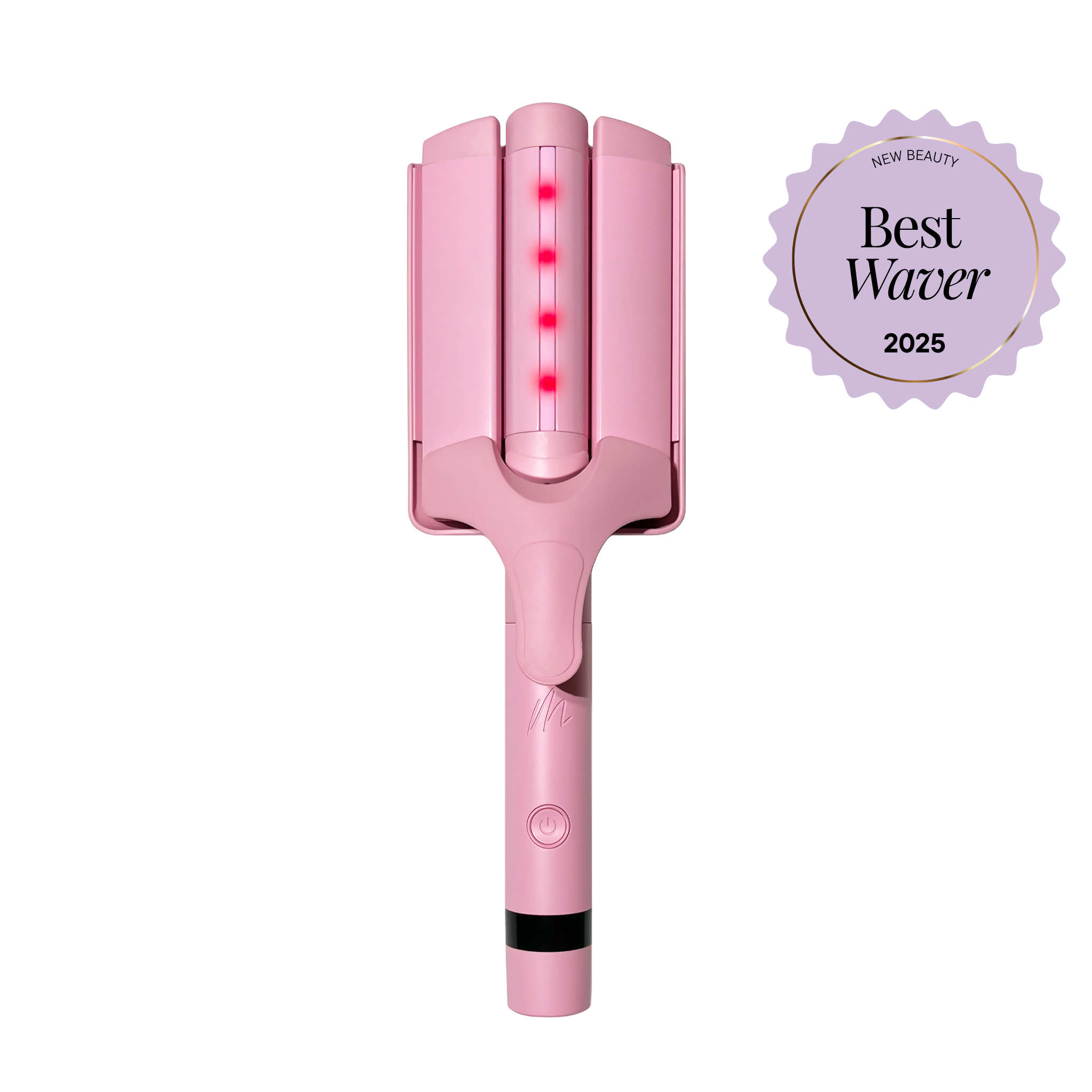
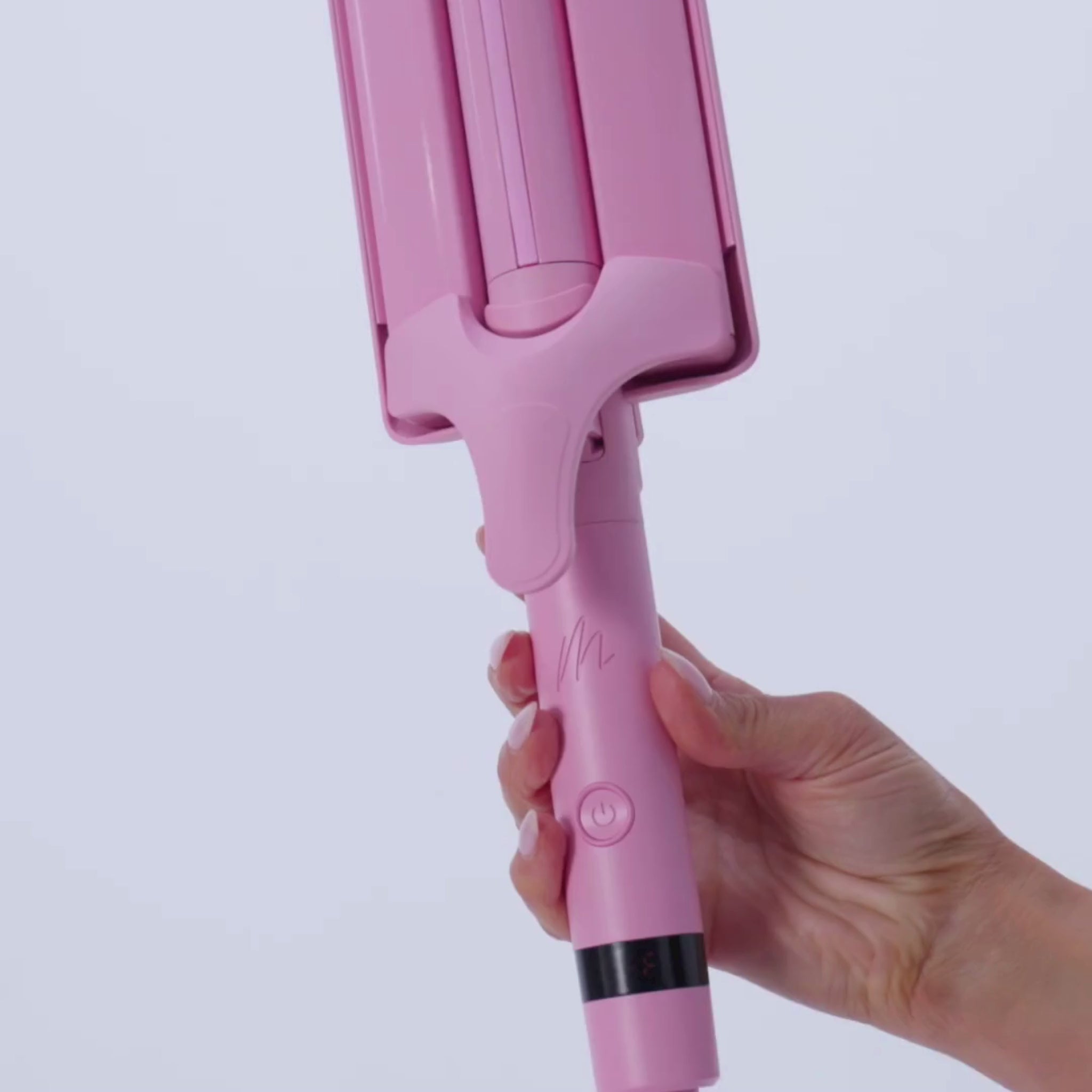
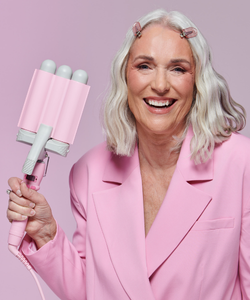
If you love waves, all Mermade wavers feature ceramic barrels that distribute heat evenly from root to tip. This helps reduce hot spots and minimises unnecessary heat exposure, allowing you to create long-lasting waves with consistent styling. Since low porosity hair can take longer to set, the even heat from ceramic barrels helps the style form more efficiently while leaving hair looking smooth and glossy.
3. Opt for lightweight, liquid-based products. Heavy creams and butters will simply coat the surface. Look for water-based formulas that can slip through the cuticle more easily.
4. Clarify regularly. Build-up is the enemy of low porosity hair. A clarifying shampoo wash once a fortnight keeps the cuticle clear and receptive.
High Porosity Hair: The Thirsty Overachiever
Here are some signs you have high porosity hair:
- Your hair absorbs product instantly, sometimes too much
- It dries quickly but often feels dry again just as fast
- Frizz is a constant companion, especially in humidity
- Your hair is prone to tangles and breakage
- You have colour-treated, bleached, chemically processed, or heat-damaged hair
High porosity hair has raised or compromised cuticles, often the result of chemical processing, excessive heat damage, or simply genetics. Moisture enters freely, but it also escapes just as freely. The goal with high porosity hair is not absorption; it is retention.

How to care for high porosity hair
1. Seal moisture in after every wash. The LOC method (Liquid, Oil, Cream) is your new religion. Layer products to create a barrier that keeps hydration locked inside the strand.
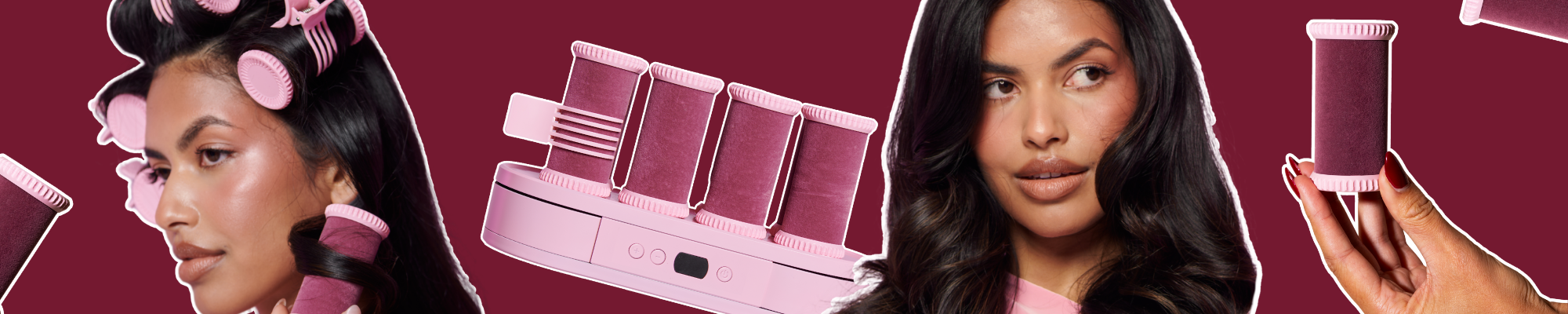
2. Use lower heat settings and always use a heat protectant. High porosity hair is more vulnerable to further cuticle damage. When heat styling, choose tools that offer precise temperature control. The Thermal Brush delivers consistent, controlled heat, ideal for creating bouncy soft curls without the aggressive temperature spikes that can worsen porosity over time.
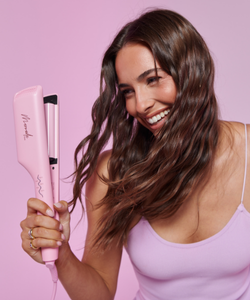
For waves with minimal damage, the M Infrared Waver is great if your hair is more on the damaged side as it uses infrared technology to lock in moisture and create shiny results.
3. Embrace rich, emollient conditioners. Where low porosity hair needs lightweight formulas, high porosity hair craves the opposite. A moisturising shampoo & conditioner especially ones with oil in the formula will help to to smooth and nourish, exactly what a raised cuticles need.
4. Rinse with cool water. A cold rinse at the end of your shower helps close the cuticle temporarily, reducing frizz and improving shine.
Hair porosity is not a flaw to be fixed, it is a characteristic to be understood. Once you know whether your hair is high or low porosity, every product choice, every styling decision, every tool selection becomes more intentional. And intentional hair care, as any great stylist will tell you, is the foundation of truly great hair.
Your hair has been speaking. Now you know how to listen.